About Course
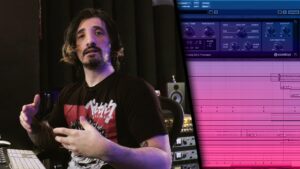
This course is designed to help you develop the technical and creative skills necessary to mix professional-sounding rock music. Under the guidance of producer and engineer Richie Beretta, you’ll explore the unique mixing challenges presented by live drums, electric guitars, bass, and dynamic vocals—the core components of the rock genre. The course starts with foundational concepts like gain staging, session setup, and bussing strategies for efficient workflow.
From there, the focus shifts to shaping the energy and tone of your mix. You’ll learn how to balance drum overheads and room mics, EQ electric guitars to sit well in dense arrangements, and apply compression that preserves transients while adding punch. Richie also demonstrates vocal mixing techniques specific to rock—ensuring presence and grit without overpowering the mix. Effects like slap delay, plate reverb, and saturation are also covered to help glue your tracks together with character.
By the end, you’ll have a complete, nuanced understanding of how to approach rock mixes with confidence. Whether you’re working on indie, classic, punk, or modern alternative rock, this course will help you maintain the raw emotion of the genre while achieving a sonically polished and competitive mix.
This course is designed to help you develop the technical and creative skills necessary to mix professional-sounding rock music. Under the guidance of producer and engineer Richie Beretta, you’ll explore the unique mixing challenges presented by live drums, electric guitars, bass, and dynamic vocals—the core components of the rock genre. The course starts with foundational concepts like gain staging, session setup, and bussing strategies for efficient workflow.
From there, the focus shifts to shaping the energy and tone of your mix. You’ll learn how to balance drum overheads and room mics, EQ electric guitars to sit well in dense arrangements, and apply compression that preserves transients while adding punch. Richie also demonstrates vocal mixing techniques specific to rock—ensuring presence and grit without overpowering the mix. Effects like slap delay, plate reverb, and saturation are also covered to help glue your tracks together with character.
By the end, you’ll have a complete, nuanced understanding of how to approach rock mixes with confidence. Whether you’re working on indie, classic, punk, or modern alternative rock, this course will help you maintain the raw emotion of the genre while achieving a sonically polished and competitive mix.
Course Content
-
1. Genre Semiotics: Rock
02:04
-
2. Mixing Game Plan
02:48
-
3. Importing Audio
05:40
-
4. Session Organization: Color Coding
07:33
-
5. Session Organization: Routing Auxes
05:25
-
6. Where To Start A Mix
01:31
-
7. Parallel VS. Direct Compression
02:58
-
8. Metering And Low End Balance
03:01
-
9. Guitar Processing: Telecasters
11:28
-
10. Guitar Processing: Stratocasters
05:16
-
11. Low End Processing: Kick
12:30
-
12. Low End Processing: Bass
07:31
-
13. Completing the Drums: Snares
11:33
-
14. Completing the Drums: Rest Of The Kit
09:46
-
15. The Mix Bus
01:13
-
16. Mix Bus Compression
04:16
-
17. Vocal Balancing And Manual Gain Adjustment
02:59
-
18. De-Essing
04:49
-
19. Digital Vocal Processing
03:08
-
20. Analog Processing
06:41
-
21. Plugin Substitutes
01:35
-
22. Vocal Delay And Widening
05:27
-
23. Reverb
05:02
-
24. Conclusion
00:31